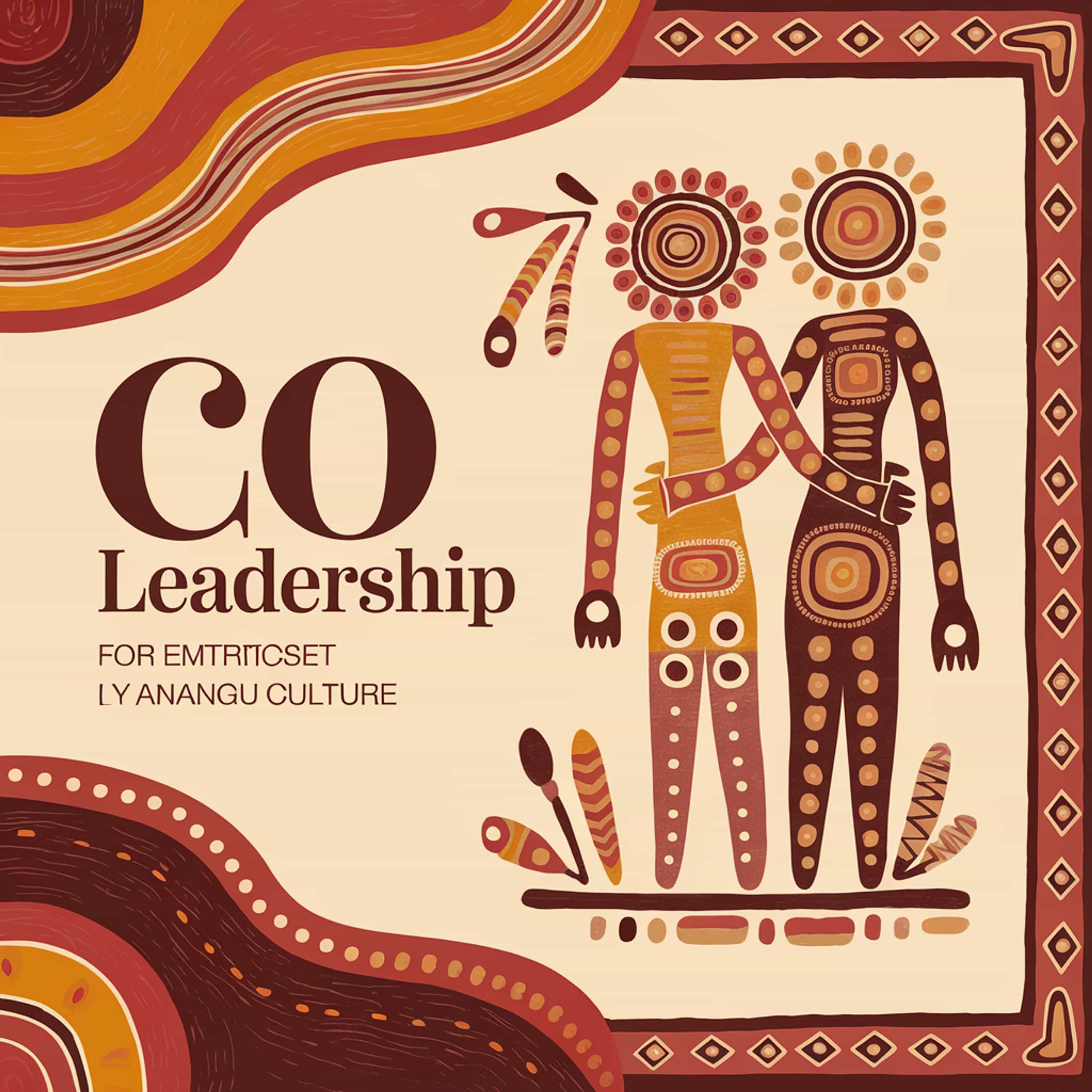
Leading from the Red Dirt: Anangu Lands Leadership Distinctions
Explore what sets Anangu Lands school leadership apart from other contexts, focusing on remoteness, co-leadership models, and the unique needs of bilingual, bicultural school communities. Evelyn and Liam discuss real-life examples and lived experiences that shape impactful leadership.
This show was created with Jellypod, the AI Podcast Studio. Create your own podcast with Jellypod today.
Get StartedIs this your podcast and want to remove this banner? Click here.
Chapter 1
Red Dirt Realities: Leading in Remote Contexts
Evelyn Carter
Welcome back to Leading for Impact in Anangu Lands Schools. I’m Evelyn Carter, and as always, I’m joined by my good mate, Liam Warragul. Today, we’re digging into what really sets Anangu Lands school leadership apart—what it means to lead from the red dirt, so to speak.
Liam Warragul
Yeah, g’day everyone. I reckon this is a big one, Ev. You know, we’ve talked a lot about co-leadership and community in past episodes, but the remoteness of the Anangu Lands—well, it’s a whole different ball game. It’s not just about distance, is it? It’s the whole environment, the culture, the way you’ve gotta adapt to the context.
Evelyn Carter
Absolutely. I mean, you can’t just pop down the road for resources or call in a quick fix. The nearest town might be hours away, and the roads—well, let’s just say they’re not exactly the M1. And then there’s the climate. I always say, you haven’t really led in the Anangu Lands until you’ve had to make a decision in the middle of a dust storm or after a week of rain that turns the whole place into a mud pit.
Liam Warragul
Oh, you’re not wrong. I remember this one trip during the wet season—roads were pretty well cut off, and we had a school event planned. We had to decide, right there and then, whether to push on or postpone. But the thing is, the community had already gathered, some folks had already driven for hundreds of miles. So, we just adapted. We just made it work... and the Anangu Educators led the way, making sure everyone felt safe and included. That’s the kind of on-the-spot, culturally-responsive decision-making you just don’t get in the city.
Evelyn Carter
And it’s not just about logistics, is it? There’s this deep connection to community. You’re not just leading a school—you’re part of the fabric of the place. Every decision ripples out, and you’ve got to be so mindful of relationships, of who’s connected to whom, and what’s happening on country. It’s a different kind of leadership, one that’s grounded in respect and listening.
Liam Warragul
Yeah, and I think that’s what makes it so unique. You’re leading with..., not just for the community. And sometimes, you’re learning as much as you’re leading. I mean, I’ve been caught out more than once thinking I had the answer, only to realise I needed to slow down and just listen a lot more. Where was I going with this? Oh right—those red dirt realities, they shape you as a leader, don’t they?
Chapter 2
Co-Leadership in Action: Shared Authority and Trust
Evelyn Carter
They really do. And that brings us to co-leadership, which we’ve touched on in earlier episodes, but it’s worth digging into again. In the Lands, it’s not just a buzzword—it’s the way things work. You’ve got Indigenous and non-Indigenous leaders working side by side, sharing authority, and making decisions together. It’s a partnership, not a hierarchy. It's critical that co-leaders invest the time every single day to listen to each other and work together.
Liam Warragul
Yeah, and the structures are really practical. You’ll see paired roles—like a principal and an Anangu leader, or co-principals, one Anangu and one non-Anangu. That’s not just for show. It means every big decision, from curriculum to community events, is made together. It builds trust, and it means the school is genuinely connected to the community’s needs and aspirations.
Evelyn Carter
I have seen many examples where the Anangu co-ordinator and Anangu educators take the lead. Entire community events which are often a beautiful blend of English and Pitjantjatjara—songs, speeches, even the food. It not just about ticking a box for cultural inclusion. It is about everyone seeing themselves reflected in their school, feeling proud and connected. And you can really see the impact on the kids—they thrive and feel proud of their community and culture.
Evelyn Carter
It's critical that leaders model this collaborative effort to their staff!
Liam Warragul
That’s the power of shared authority, isn’t it? When you’ve got trust, you can take risks together, try new things. And if something doesn’t work, you learn together. I think back to what we talked about in Episode 7—shared voices, shared power. It’s not always easy, but when it works, it’s transformative. The school becomes a place where everyone’s voice matters, and that’s when real change and growth happens.
Evelyn Carter
And it’s not just about the big moments, either. It’s in the day-to-day—who’s leading the staff meeting, who’s making the call on a tricky student issue, who’s talking to families. When you’ve got that partnership, it’s not all on one person’s shoulders. There’s a sense of shared responsibility, and that makes the work more sustainable, especially in a place as complex as the Lands.
Liam Warragul
Yeah, and it’s a model that’s still evolving. Every school does it a bit differently, depending on the people and the community. But the core idea—shared authority, mutual respect, and trust—that’s what holds it all together.
Chapter 3
Bilingual, Bicultural Realities: Leading with Two Ways Learning
Evelyn Carter
And that leads us right into the heart of it—bilingual, bicultural education. In the Lands, it’s not just an add-on. It’s central to everything. Leadership here means supporting both language and culture, making sure that Anangu Languages are strong alongside English.
Liam Warragul
Yeah, and it’s a real challenge sometimes, isn’t it? You’ve got to balance departmental expectations, the P.Y.E.C. strategic plan, and what the community wants for their kids. But when you get it right, it’s powerful. I mean, we’ve seen it—when students learn in both languages, they’re more confident, more connected to their identity. It’s not just about test scores, it’s about pride and belonging.
Evelyn Carter
Exactly. And it’s not always smooth sailing. There are challenges—finding enough fluent speakers to teach, ensuring resources are available in both languages, and sometimes just convincing people that two-ways learning is worth the effort. But the successes are real. When we look at the broader picture, the improvements in student engagement, family involvement, and overall school vitality are evident. The work isn't just about education—it's about creating a space where both languages and cultures can thrive.
Liam Warragul
Yeah, absolutely. And it shows that when leadership is committed to two-ways learning, and when the community is an active part of that process, you get results. It’s not about choosing one language over the other—it’s about making space for both, and celebrating what each brings to the table. That’s what makes leadership in these communities so powerful, I reckon.
Evelyn Carter
It shows that when leadership is committed to two-ways learning, and when the community is an active part of that process, you get results. It’s not about choosing one language over the other—it’s about making space for both, and valuing what each brings to the table. That’s what makes leadership in these communities so powerful, I reckon.
Evelyn Carter
And the work is ongoing. Every year brings new challenges, new opportunities to adapt and refine our approach. It's about staying open to new ideas, while always holding onto the core values that guide us. That commitment to language, culture, and partnership—that’s what keeps us moving forward. It’s the heart of everything we do, and it’s why we see the positive change we do. It's a journey, not just a destination. That’s a good note to end on, don't you think?
Liam Warragul
Yeah, couldn’t agree more. Thanks for the yarn, Ev. And thanks to everyone tuning in, wherever you are—whether you’re out in the bush or in the city, we hope you’ve taken something away from today’s discussion.
Evelyn Carter
We’ll be back soon with more stories and insights. Until then, take care of each other, stay connected to your community, and keep leading with impact. Catch you next time, Liam.
Liam Warragul
See you, Ev. And to all our listeners, we’ll see you soon. Stay safe and keep doing the good work.