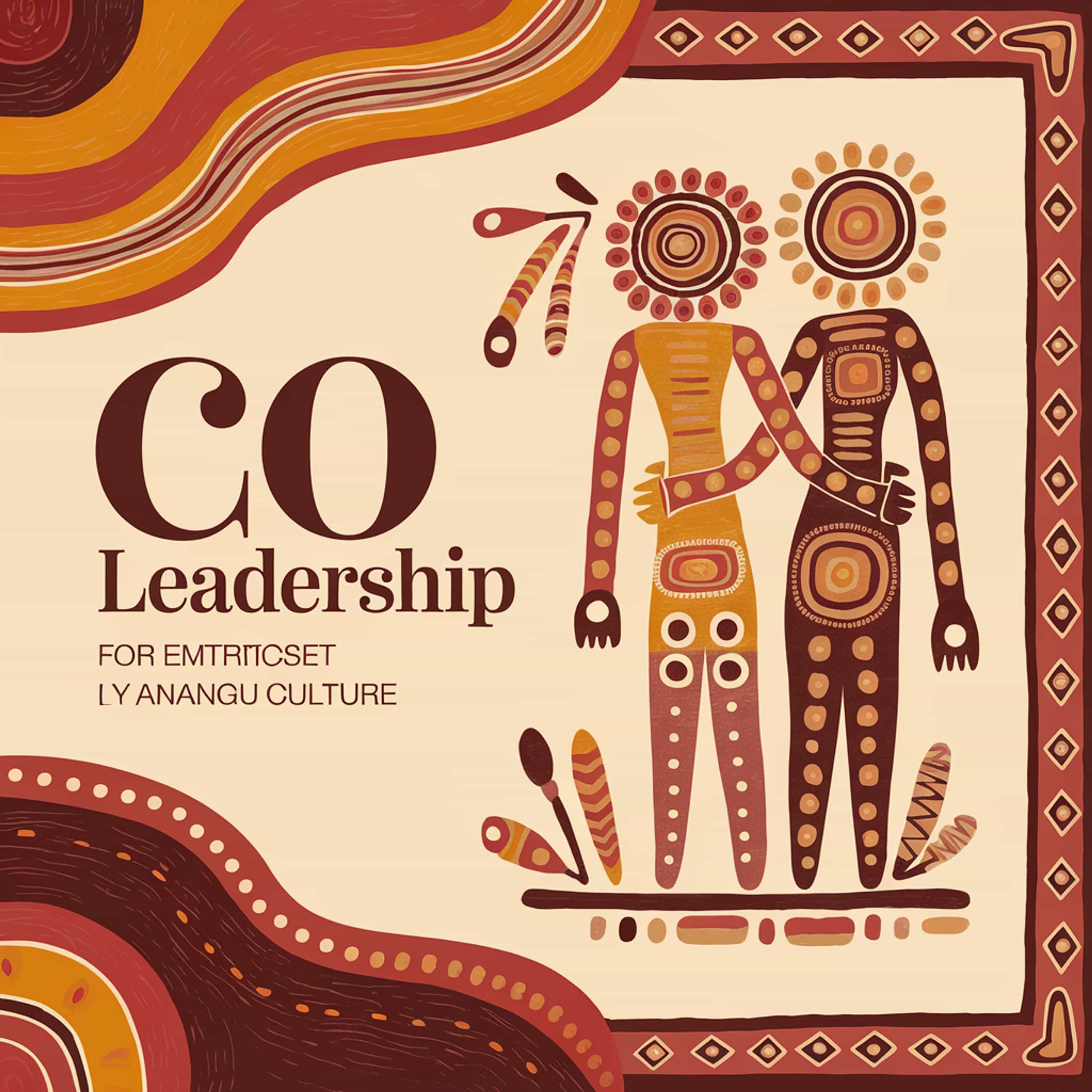
Episode 22: Navigating Policy and Compliance While Keeping Culture Central
Balancing Departmental compliance with cultural priorities, emphasising the principal’s accountability and shared leadership with Anangu coordinators and site leaders to keep culture central.
This show was created with Jellypod, the AI Podcast Studio. Create your own podcast with Jellypod today.
Get StartedIs this your podcast and want to remove this banner? Click here.
Chapter 1
Navigating Policy, Compliance, and Keeping Culture Central
Evelyn Carter
Welcome back to Leading for Impact in Anangu Lands Schools. I'm Evelyn Carter, and I'm joined as always by the brilliant Liam Warragul and Dan Harrison. Now, I know last time we got deep into what it truly means to place Anangu knowledge and language at the centre—remember all that fantastic talk about bilingual signage and community input? Well, today, we’re picking up a tricky thread from that discussion: how do we, as leaders, balance all the department for education policy requirements with actually keeping Anangu cultural priorities front and centre in our schools?
Liam Warragul
Yeah, thanks Evelyn. And, g’day everyone. I think this one's got layers, right? Because, look, accountability for all that policy and compliance stuff—the buck really stops with the school principal. That’s how the department frames it. But on the ground, what actually happens is much more… shared? Like, you’ve got the Anangu Coordinator and your site leader working right beside the principal to help navigate all these expectations, but in a way that, hopefully, never loses sight of culture. That's what keeps it real and relevant on the Lands, you know?
Dan Harrison
Yeah, and it’s not just ticking boxes, right? I mean, often there's real tension. You want to meet those departmental requirements—because let’s face it, there’s audits, there’s all that compliance paperwork that isn’t going away—but at the same time, you can’t let policy override what actually matters to the community. It kinda comes down to making sure Anangu voices are actually part of how compliance gets managed. Like, we work together—principal, Anangu Coordinator, and all the site staff—to make the process as culturally respectful as we can.
Evelyn Carter
I love that, Dan. And something we keep hearing, especially in these last few episodes, is just how the process of interpreting policy is always collaborative—never just one person making decisions in isolation. It’s always about clear communication and transparency, isn’t it? Not just with your staff, but with the whole community. Keeping those conversations open seems to be half the battle in building trust around compliance.
Liam Warragul
Absolutely, Evelyn. And, to build on that, I reckon it’s vital not to let policy frameworks become this kind of mysterious, outside imposition. You gotta demystify them—not just for staff, but for the community too. So everyone sees how those frameworks can actually work with, not against, Anangu priorities. Sometimes that means translating terms, or going through policies together and saying, “Alright, what does this really mean for Ernabella or Amata or Yalata etc?” That’s where those strong relationships we talked about back in the episode on leadership resilience come back in—because open communication makes all the difference when you hit a rough patch.
Dan Harrison
Just to make it practical: one thing I’ve seen work is including cultural indicators in our planning and compliance processes. So, yeah, we report to the department like they ask, but we also show how many language lessons are happening, or the times we’ve brought elders into classrooms for cultural learning. It’s weaving those cultural measures and stories alongside the usual data—the paperwork starts to tell the real story of the school, not just the numbers.
Dan Harrison
There's also a really wide range of ways that our sites represent their site learning plans. Many sites now have floor books or traditional pieces of art which support these departmental requirements, but in a culturally responsive way that community can connect with and actually lead.
Evelyn Carter
That’s a fantastic example, Dan. And it actually makes me think about the importance of staff development in all of this. There’s this need for really targeted, practical training so the whole team feels confident with compliance processes—while also being mindful of those cultural angles. Sometimes that’s as basic as walking through frameworks together, or buddying up less experienced teachers with the Anangu Coordinator to unpack what’s really required from the department and where there’s flexibility. It’s a capacity-building thing, but also a trust-building one.
Liam Warragul
Yeah. And, I always say, policy is never just paperwork. It’s how you interpret it—and that’s where the magic of Anangu–Piranpa leadership comes in. You need both perspectives in the room. It can feel slow sometimes, honestly, but that process of sitting down and working through what a policy actually means for your site? That’s where you get buy-in and genuinely respectful practice. Even the reporting can become more meaningful, you know? Like, combining data with storytelling so that the actual impact, the real cultural learning, shines through.
Dan Harrison
Right, exactly. That storytelling piece, it’s huge. I might be rambling a bit, but sometimes the best compliance reports we’ve put together are the ones where we’ve documented stories about student achievements in language or successful cultural events, alongside the spreadsheet stuff. It gives a much fuller picture—one that’s far more useful for both the department and the community.
Evelyn Carter
And you know, that makes me think of some reflection questions for leadership teams. It’s not just, “Are we ticking all the boxes,” but really asking: How do we balance compliance with cultural priorities? What strategies can we use to make sure Anangu voices are strong in every process? And how do we make compliance reporting also reflect the great cultural outcomes that are happening every day in these schools?
Liam Warragul
Yeah, those are the big questions, Evelyn. Maybe the right approach is never totally settled, but if we keep sharing responsibility—principal, Anangu Coordinator, site leader and all the staff—then you get a process that’s accountable but also genuinely grounded in culture. That’s what makes the work feel real and worthwhile.
Dan Harrison
Couldn’t agree more, mate. And it’s ongoing work, isn’t it? Just like back in our episodes on reflective practice and leadership resilience—this balance needs constant attention. But when it’s done right, that compliance stuff doesn’t push culture aside. Instead, cultural priorities become how you do compliance. That’s where real leadership’s at.
Evelyn Carter
Love that, Dan. And that’s probably a good spot to wrap it for today. If you’re in a leadership team—maybe think about those reflection questions, and talk with your staff about ways to keep both compliance and culture central, not at odds. Thanks so much for listening, everyone. Liam, Dan—always a pleasure.
Liam Warragul
Thanks Evelyn, thanks Dan. I love these conversations because they remind us what matters. We’ll catch you all next time.
Dan Harrison
Yeah, thanks heaps folks. Take care out there and see you for the next episode.