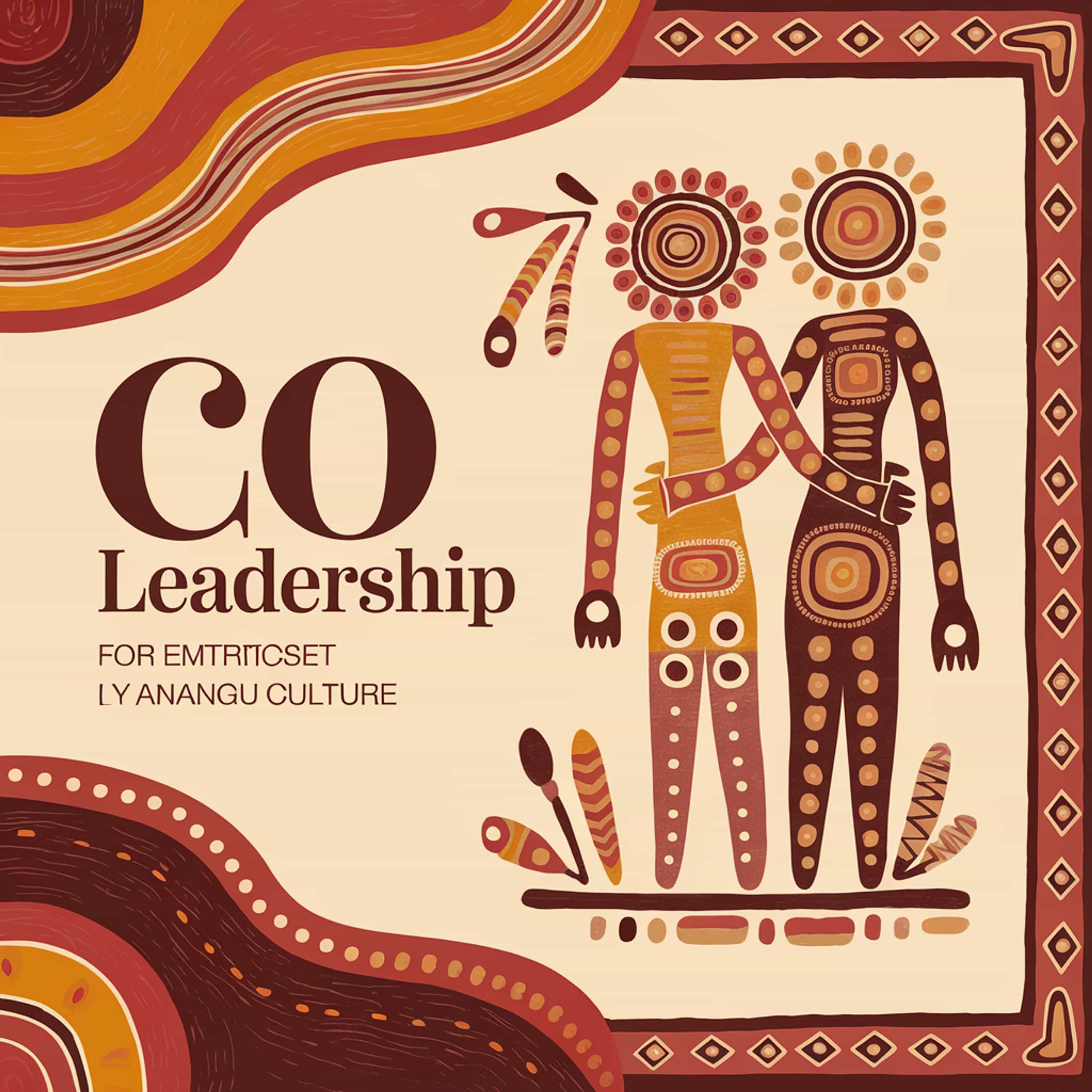
Leading for Impact in Anangu Lands
Explore how culturally responsive leadership transforms education in remote Aboriginal communities. Join Evelyn and Liam as they discuss the significance of community engagement, culturally responsive pedagogy, and professional development in enhancing educational outcomes.
This show was created with Jellypod, the AI Podcast Studio. Create your own podcast with Jellypod today.
Get StartedIs this your podcast and want to remove this banner? Click here.
Chapter 1
Recap previous learning
Liam Warragul
Alright, so let's kick things off by taking a step back and looking at what we've covered so far. We’ve been diving into what effective, culturally responsive leadership looks like in Anangu Lands schools—you know, strategies that really put culture and community at the heart of site leadership.
Evelyn Carter
And one thing that stood out for me in the last few episodes was the focus on co-leadership. It's not just about managing a school, but about sharing leadership—about working alongside Anangu co-ordinators and educators as equals. It’s empowering, really, because it shifts the idea of leadership to include the local community as an integral part of decision-making.
Evelyn Carter
We have also talked about how this shared leadership approach really supports the approach of the department's strategy which emphasises the critical importance of improvement planning being contextualised to the specific needs of the local community.
Liam Warragul
Exactly. When we talk about co-leadership, it’s about respecting and incorporating local cultural authority—letting those with the deepest understanding of community values, history, and needs take the lead. And honestly, it’s something mainstream education could learn a lot from.
Evelyn Carter
Oh, absolutely. And we’ve seen how this approach improves the way schools operate. I mean, not only does it create an environment that feels, well, culturally safe, but it also improves outcomes for students. It’s like schools stop being these separate institutions and start becoming a true part of the Anangu community fabric.
Liam Warragul
Yeah, and when schools take on that community-first approach, it really changes how leaders operate, doesn’t it? It’s less about, uh, imposing systems and more about adapting—as in truly listening to communities and then shaping leadership practices around what matters to them.
Evelyn Carter
Right. And it requires a shift in mindset. It’s no longer just about finding solutions ‘for’ a community—it’s working ‘with community as partners. That’s such a powerful way to think about leadership development.
Liam Warragul
Totally. And all of this ties back to the core idea of culturally responsive leadership—how leaders can remain flexible, reflective, and, most importantly, collaborative. It's challenging, but the payoff is absolutely huge.
Chapter 2
Empowering Community Engagement
Evelyn Carter
Exactly, Liam. That flexibility, reflection, and collaboration you mentioned—it’s what makes leadership in these contexts so transformative. When Anangu communities are truly placed at the heart of schools, it moves beyond simply operating the school; it becomes about genuine partnership, a deliberate inclusivity that makes such a profound impact.
Liam Warragul
Yeah, completely. And I think the idea of two-way partnerships really encapsulates that, right? It’s about Pirimpa educators and leaders stepping into these conversations not just as professionals, but as learners too. That shift matters a lot. I mean, you’re not just leading—you’re co-creating with the community.
Evelyn Carter
What I’ve seen, though, is that this co-creation can look really different depending on the community. For example, I worked on a project where governance meetings weren’t just about top-down decisions. It was this inclusive space where community members and families were actively shaping school policies. And that changed everything. You could feel this mutual ownership and respect in the room.
Liam Warragul
That’s such a powerful image. And it’s a model that could inspire any school, honestly. But what I love is how, in our Anangu schools, this goes even deeper. Take on-country learning, for instance. It’s not just about ticking a box for cultural experience. It’s genuinely integrating knowledge, like empowering community Elders to lead lessons and guide students through Country.
Liam Warragul
Its working in partnership with community and Anangu Educators to support the retention of language and culture.
Evelyn Carter
Exactly! And when students see, hear and use their own language in classrooms, it changes the game. You’re saying to them, "Your culture, your knowledge—it's front and center, and it belongs here." That instills such pride.
Evelyn Carter
And it creates this sense of continuity, right? Like it ties the school’s identity to the community's identity. That’s so much more meaningful than just delivering a standard curriculum.
Liam Warragul
And when you see that pride reflected in students, you know you’re onto something. It’s not just about academic gains or data points—it’s about kids feeling like they truly belong in the classroom space. And that all starts with building a two-way partnership.
Chapter 3
How do we promote student voice or agency
Liam Warragul
And that sense of belonging brings me to something I think is deeply connected—student voice. In Aboriginal education, how do we ensure that sense of belonging translates into genuine agency? You know, where students aren’t just participants in their education, but active creators of their learning journey?
Evelyn Carter
It’s an incredible concept, isn’t it? Agency, in this context, is so tied to identity and culture. It’s about creating spaces where students feel they can bring all of who they are—not just as learners, but as people connected to the land, to their language, and to their stories. It’s powerful.
Liam Warragul
Yeah, and it challenges this idea that education is something done to students, rather than with them. In the APY Lands, for example, I’ve seen how schools that embrace Anangu pedagogies help students become leaders in their own right. It’s about shifting perspectives—students aren’t just recipients of knowledge, they’re carriers and sharers of it.
Evelyn Carter
Exactly. And when you include cultural knowledge in learning, it kind of flips the script. Students start seeing their heritage not just as valid but as invaluable. It makes them feel like their voice isn’t just heard—it’s essential.
Liam Warragul
Totally. I’ve met students who, through on-country projects, grew this confidence you could see, like, physically see in how they carried themselves. It’s that connection to culture that builds agency, isn’t it? You center learning in who they are—their identity, their values.
Evelyn Carter
But we can’t ignore the challenges, right? Educators often step into these spaces with the best intentions, but they don’t always know how to build that trust. And in remote schools, it’s...
Liam Warragul
...it’s complicated, yeah. You’ve got barriers like limited resources or even the time it takes just to get to know students and their families deeply. But if you take the time to listen—to really engage—it’s amazing what can happen. And challenges turn into opportunities.
Evelyn Carter
Opportunities to reshape what learning looks like, right? I mean, our Anangu Lands schools are already unique. So why not lean into that uniqueness and prioritize culturally responsive methods that nurture agency? Like assessments through storytelling or even art—methods that reflect students’ strengths and ways of knowing.
Liam Warragul
Exactly. Because when you meet students where they are and elevate their voices, the learning follows naturally. And it’s not just about academics—it’s about empowering our Anangu students to see themselves as leaders, both in school and beyond. And when you start pairing that with...
Chapter 4
Implementing Culturally Responsive Pedagogy
Liam Warragul
And that’s where culturally responsive pedagogy becomes so important. How do we design learning experiences that not only reflect Anangu ways of knowing but actually prioritize them? It’s a revolutionary shift, especially compared to how the traditional education system operates, don’t you think?
Evelyn Carter
It really is. Because the whole idea is about breaking away from the one-size-fits-all model and creating something that resonates deeply with our Anangu students’ cultural identities. It's acknowledging that the standard Western curriculum isn't the only way to teach—or to learn.
Liam Warragul
Exactly. And it’s not just about what’s taught but how it’s taught. Like, I visited a school last year where they used storytelling as a core way to assess students. It was so powerful. I mean, you had kids standing up and sharing these rich, intricate narratives that tied back to what they’d been learning—but layered with their own cultural context.
Evelyn Carter
Wait—storytelling as an assessment tool? That’s brilliant. I mean, that’s such a natural way for students to connect with their learning. And it flips the traditional model of assessment, doesn't it?
Liam Warragul
Totally. You could see how proud they were—how comfortable they felt expressing themselves. It wasn’t about ticking boxes on a test. It was about saying, "Hey, your way of knowing and sharing knowledge is just as valuable, if not more so, than traditional methods."
Evelyn Carter
And that’s the key, isn’t it? It’s meeting students where they are—within their cultural framework—and letting them shine there. It's almost like you're amplifying their voices rather than, you know, trying to fit them into a mold.
Liam Warragul
Yeah, and the impact goes beyond the classroom. When you validate their culture like that, you’re building their self-confidence and pride. It’s like this ripple effect—students start believing in themselves because their identity is being celebrated, not sidelined.
Evelyn Carter
And that creates such a stronger connection between the school and the community, doesn’t it? Because when families see their culture respected in the curriculum, it builds trust. It’s not just "school knowledge" anymore—it’s community knowledge, woven into the fabric of learning.
Liam Warragul
Yeah, absolutely. And the thing is, these approaches aren’t just about adding cultural elements—they’re about rethinking education entirely. Like, why can’t Anangu ways of knowing be the foundation, rather than an add-on? Why can’t schools reflect the communities they’re in?
Evelyn Carter
That's right... the department's strategy emphasises this importance of contextualising the improvement work to the needs of the local community.
Liam Warragul
Perfect.
Evelyn Carter
Oh, I love that. It’s a whole shift in perspective, isn’t it? And I think when schools embrace that, you start seeing these vibrant, culturally connected learning environments where students really thrive. They’re not just learning—they’re growing as individuals tied to their people, their land, their stories.
Liam Warragul
Exactly. And, honestly, it’s something every school could learn from. But to see it work so deeply in an Anangu setting—it’s inspiring. It’s not without challenges, of course, but it's so worth it!
Chapter 5
Fostering Professional Development
Evelyn Carter
Building on that idea, professional development really becomes the backbone of making those culturally enriched learning environments thrive, doesn’t it? When professional development is done right, it’s not just about improving skills—it’s about shifting mindsets. And when educators start embracing cultural awareness, the transformation you see in the school culture can be nothing short of remarkable.
Liam Warragul
Yeah, it really can. I mean, culturally responsive PD—it's not just another training module, right? It’s this ongoing, year-round commitment. Like, I remember working with educators on co-developing sessions where the focus wasn’t just on the "what" but also the "why" behind cultural learning.
Evelyn Carter
Which is so critical, isn’t it? Because if people don’t see the "why," it stays surface-level. I was part of a program once where Aboriginal educators in Adelaide led induction for new teachers. And you could just see the shift—it wasn’t just cultural facts being shared; it was this deep dive into how culture shapes everything, from relationships to teaching philosophies.
Liam Warragul
That’s the thing—when you make space for Anangu co-ordinators and educators to guide those conversations, it changes everything. Like, suddenly, staff aren’t just learning—they’re unlearning. There’s this reflection on biases that, honestly, we all carry. That’s where the real growth happens.
Evelyn Carter
Absolutely. And it builds trust too, doesn’t it? Between educators and the community, between staff and students, even within the teaching teams themselves. That’s what stands out to me—you see this connection forming where everyone feels like they’re part of something larger, something collective.
Liam Warragul
And it’s not only the trust—it’s the confidence it brings. When staff feel culturally competent, they walk into classrooms with this deeper understanding, you know? They’re not second-guessing how to connect with students or families—they’re speaking the same language, culturally speaking. That’s when classrooms become these dynamic, safe spaces.
Evelyn Carter
Oh, I love that—"speaking the same language." And it’s also why reflection needs to be ongoing, isn’t it? It’s not a one-time training and you’re done. It’s this continuous journey of learning together, adapting, and, you know, staying curious about what more you can do to serve the community.
Liam Warragul
Exactly. And the co-creation piece—where educators and community members actually work side by side to design PD? That’s what makes it stick. Because it’s tailored, it’s meaningful, and most importantly, it’s grounded in the real needs of the school and the community.
Evelyn Carter
And what’s so inspiring to me is seeing how that collaboration starts to ripple out. It shifts everything—teaching methods become more inclusive, student engagement rises, and there’s this undeniable sense of belonging that grows within the school.
Liam Warragul
Yeah, it’s like the whole school starts to work in harmony—like each part supporting the other. And let’s be honest, it’s not without its challenges, but…
Chapter 6
Next Week
Evelyn Carter
You’re absolutely right, Liam—harmony doesn’t mean it’s without its challenges. But what stands out to me is how culturally responsive leadership navigates those challenges—not just through policies or systems, but through genuine relationships and trust. It’s about communities being at the very heart of every decision schools make.
Liam Warragul
Yeah, and what hits me most is how transformative it can be—like you said earlier, Evelyn—it’s not just schools working within communities but with communities as true partners. It really feels like a holistic way forward, doesn’t it?
Evelyn Carter
Absolutely. And it’s about reflection too—not just for leaders, but for all of us. How do we stay curious, open, and willing to learn from the wisdom that’s already here? There’s so much we can gain by stepping back and letting community voices take the lead.
Liam Warragul
Right. And speaking of voices, here’s a question for you listening out there: What role do you think cultural identity should play in education, especially in shaping leadership? We’d love to hear your thoughts.
Evelyn Carter
And next week, we’re diving into an incredibly rich topic—language and culture. How do we keep language and culture strong and thriving in schools? There’s so much to explore, and I can’t wait to get into it.
Liam Warragul
Same. Honestly, it’s gonna be fascinating—so many layers to unpack there. But for now, thanks so much for joining us today. It’s always such a privilege to share these conversations.
Evelyn Carter
It really is. And, as always, take care, reflect on these ideas, and we'll see you next time.