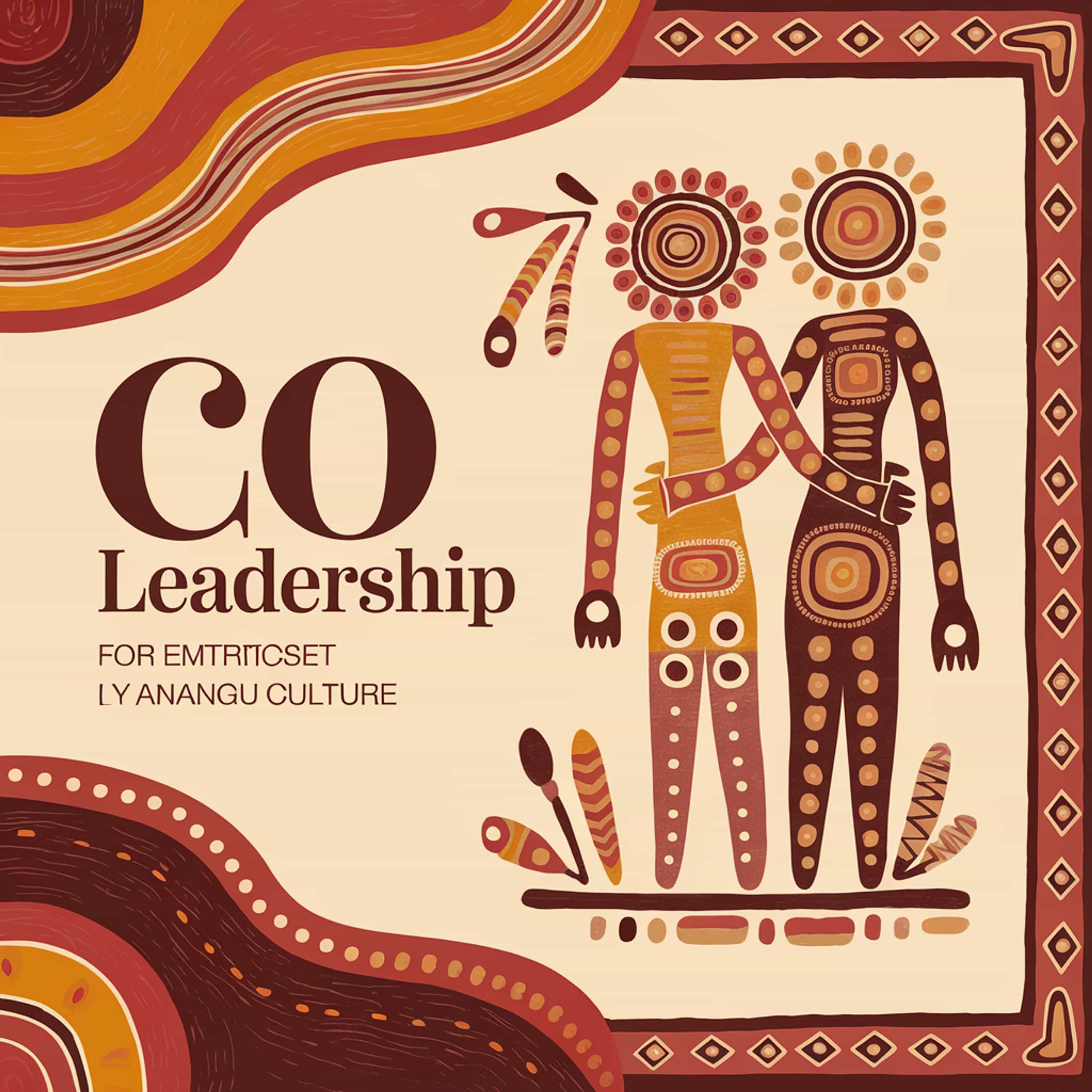
Shared Voices, Shared Power
Discover how authentic partnership transforms Anangu Lands schools, with real-life examples of co-leadership and community-led decisions. Evelyn and Liam explore the difference between token consultation and true collaboration, highlighting the impact of shared decision-making on education.
This show was created with Jellypod, the AI Podcast Studio. Create your own podcast with Jellypod today.
Get StartedIs this your podcast and want to remove this banner? Click here.
Chapter 1
Recap the content of the previous episode
Evelyn Carter
Before we jump in, just a quick reminder — in last week’s episode we talked about the Growing Our Own program and how important it is for principals to actively mentor their Anangu Co-ordinators.
Liam Warragul
Yeah, especially that idea of walking alongside — not just delegating, but genuinely building confidence and leadership from within community.
Evelyn Carter
If you missed it, it’s worth going back. Some really strong examples of how schools are doing that well.
Evelyn Carter
And a good prompt for all of us to reflect on how we’re investing in local leadership every day.
Liam Warragul
Absolutely. What really stuck with me was the way those examples from the A.P.Y. Lands demonstrated that leadership is, you know, more than just a title. It’s a practice. Like—uh—it comes alive when both Anangu coordinators and principals are active decision-makers together. No just taking turns but really merging perspectives.
Evelyn Carter
Yeah! Merging perspectives, that’s a nice way to put it. I I think, also, we dug into how those joint efforts reflected deep respect for cultural protocols, you know? That whole idea of honoring voice and making space for genuine input. I mean, it’s powerful stuff.
Liam Warragul
It is. And the respect goes both ways, doesn’t it? You’ve got educators bridging the gap between traditional knowledge and contemporary teaching practices. And it’s—um—it’s built on trust. Like we said before in earlier episodes, it’s not about permission. It’s a partnership.
Evelyn Carter
Right! That trust is the foundation. Without it, you’re just going through the motions, a kinda checkbox exercise.
Liam Warragul
Exactly. And we can’t overlook the role of shared decision-making in, say, staffing or curriculum choices. It's those everyday decisions that really show whether this partnership is authentic or not.
Evelyn Carter
Oh, totally. And the energy from those examples we shared—like, the Anangu coordinators working with the principals on behavior support? I mean, talk about seeing a system come alive. That doesn’t happen when decisions are made unilaterally. It’s the shared action that gives it momentum.
Liam Warragul
Yeah, and the way it ties into things like the Learn and Thrive Plan is no accident either. It’s uh, it’s intentionally aligned so that these co-leadership models aren't just isolated efforts, but part of a bigger vision.
Evelyn Carter
It’s inspiring. Seriously, so much to learn from those communities.
Chapter 2
Understanding Authentic Partnership
Liam Warragul
Building on everything we've discussed about trust and shared decision-making, let’s delve into what happens when consultation either builds that trust or undermines it. You know, how do we recognize when consultation is genuine versus when it's just for show? That line can be surprisingly subtle.
Evelyn Carter
Oh, you're so right. It's not always obvious. Like, I I think people imagine it’s either all bad or all good, but really, there's a lot of—uh—gray in between. I mean, how many times have we heard about those meetings where the decisions were already made before anyone walked in the room?
Liam Warragul
Exactly. It’s like, “Thanks for your input, but we’re doing it our way anyway.” And, yeah, sure, they might tick the box for consultation, but you can tell when a community’s voice isn’t truly honored.
Evelyn Carter
Right! And then there's the flip side, where it’s done right. There was this one curriculum meeting in particular. It was—oh—so unexpected in how it turned out. We had these educators sitting with co-ordinators and—and instead of just reviewing what was already planned, they flipped the whole process. They actually started by listening—like really listening—to what the co-ordinators thought was missing in the curriculum.
Liam Warragul
Wait, so they shifted the approach mid-meeting? That’s brilliant. It sounds like they weren’t just ticking boxes; they genuinely valued those contributions, yeah?
Evelyn Carter
Exactly! And the coolest part? One of the co-ordinators brought up this idea about integrating local oral history into a curriculum unit. Nobody had considered it before, but when they started sketching it out, you could see the whole room light up. Suddenly, it wasn’t just “their curriculum” anymore—it was ours, you know?
Liam Warragul
That’s such a powerful shift. It’s like the moment you stop thinking of consultation as a transaction and start seeing it as a relationship. That’s when things really change.
Evelyn Carter
Oh, totally. And, I mean, the solutions that came out of that meeting? They weren’t even what anyone had walked in expecting. It just shows how shared power and genuine collaboration bring out ideas that, well, wouldn’t have existed otherwise.
Liam Warragul
Absolutely. And I think that’s the essence of partnership. It’s not just about listening; it’s about being willing to let those voices reshape the direction, even when it challenges your own assumptions.
Evelyn Carter
Yep! Without that openness, it’s just business as usual. And business as usual doesn’t cut it anymore, especially when you’re aiming for real change.
Chapter 3
Co-Leadership in Action: Real Case Studies
Evelyn Carter
So, building on what we just talked about, how about we dive into some real-world examples? Those moments where trust and genuine consultation really reshaped the outcomes—it’s where the magic truly happens.
Liam Warragul
Yes, absolutely. And, you know, what stands out to me is how these schools in Anangu lands—are finding ways to balance power between Anangu coordinators and principals. It’s, uh, not just some abstract ideal. It’s—it’s happening concretely, like in these everyday decisions.
Evelyn Carter
Totally. Like with staffing choices—when the community, you know, has a say in who’s teaching their kids? That changes everything. It’s not just about qualifications but finding people who, um, align with the values and needs of the school.
Liam Warragul
Right. And that alignment—wow, it’s so crucial. I remember one PAC meeting in particular. We were discussing a hiring decision, and honestly, I thought it’d be a quick discussion. But then—uh—one of the Anangu leaders, she brought up how the community really wanted to strengthen the teaching of language and culture.
Evelyn Carter
Wait, so what happened? Did you all shift gears?
Liam Warragul
We did. The team, uh, started looking at how that language knowledge impacted the kids’ connection to learning. Suddenly, the conversation wasn’t just about finding a ‘qualified teacher.’ It became about what the students needed to feel heard, to feel rooted in their culture. I’ve gotta tell you, it changed the approach to staffing discussions now.
Evelyn Carter
That’s incredible. And, I mean, you see this same kinda thing with curriculum decisions, don't you? When Anangu coordinators and principals collaborate, it stops being a one-sided process. Like, have you noticed how much more tailored the programs become?
Evelyn Carter
And the Anangu Co-ordinator really emphasises the importance and connection with the P.Y.E.C. strategic plan... the importance of strengthening the teaching of language and culture.
Liam Warragul
Exactly. And it’s not just about tailoring—it’s about giving the cultural protocols a presence in those programs. You know, treating them as essential, not optional add-ons. When both sides bring their perspectives to the table, you get this tangible respect that really transforms the teaching and learning.
Evelyn Carter
You’re so right. And, well, it just shows how powerful those shared decisions are, especially with something as tricky as, uh, behavior management. When you’ve got Anangu coordinators leading strategies alongside principals, it takes it from a top-down ‘fix-it’ approach to something far more profound and, honestly, effective.
Liam Warragul
Yes, and I think when you witness those moments—like that PAC meeting I mentioned earlier—it really stays with you. You see how co-leadership isn’t just idealism. It’s—it’s practical. It’s what makes these systems work in ways that respect and honor everyone involved.
Chapter 4
Community-Led Decisions and Cultural Protocols
Evelyn Carter
Right, and speaking of those transformative moments—let’s dig into this. What is it about community-led decision-making that makes it such a standout in creating truly culturally responsive education?
Liam Warragul
It’s because, at its heart, it’s about respect. Respect for the knowledge systems, the protocols, and—and the entire worldview that the community brings. When schools genuinely listen and act on what the community says, it’s not just symbolic. It reshapes everything—how students learn, how teachers teach, all of it.
Evelyn Carter
Yeah, and it’s not only about big structural things either, right? I mean, even in—uh—day-to-day behaviour management, these decisions add so much depth. Like, there’s this one story I heard where an Anangu Co-ordinator brought in their perspective on how behaviour support should work. And it completely shifted the approach for this school.
Liam Warragul
Ah, you’re talking about the elder who suggested looking at behaviour through the lens of relationships and, uh, cultural context rather than just rules and consequences, yeah? That was such a powerful reframe.
Evelyn Carter
Exactly. They emphasized the importance of making connections first, like asking questions: “Why is this behavior happening? What’s the student experiencing?” Rather than just jumping straight to discipline, you know?
Liam Warragul
And what came out of it was this whole new system where students were guided back into the community in—uh—ways that felt restorative rather than punitive. It wasn’t about a “one size fits all” policy. It was about tailoring the approach to the student’s cultural and emotional needs.
Evelyn Carter
It’s amazing, isn’t it? And that level of thoughtfulness? You can’t get there without listening and honoring the community’s voice. Like, this elder didn’t just suggest; they co-led the process. That’s a huge difference from token input.
Liam Warragul
It’s massive. And—it kind of makes you think about how these practices, these protocols, they’ve been around forever, you know? But when schools embrace them, you see this integration of tradition with contemporary education, and it’s—it’s a real bridge for students and families.
Evelyn Carter
Totally. And it’s also about breaking those old notions that schools know best, right? It’s more like schools and communities know best. Together. Especially when it comes to things as sensitive as behavior or discipline. Those shared insights—that’s where the breakthroughs happen.
Liam Warragul
Yeah, and the schools that embrace this approach really, uh, stand out. Because it’s not just about handling issues as they come up; it’s about laying the groundwork for, well, mutual trust and shared power that lasts. Makes everything so much stronger, doesn’t it?
Chapter 5
Recap
Evelyn Carter
You know, Liam, what you said about mutual trust and shared power really sticks with me. It makes me think about how those principles play out in other areas of education, especially in building authentic partnerships with communities.
Liam Warragul
Yeah, and I think the big takeaway, for me anyway, is how transformative that shared leadership can be. Like, when you really see Anangu coordinators and school principals making decisions together—not just consulting, but leading side by side—it creates something that’s more than just functional. It’s, uh, deeply connected to the culture and needs of the community.
Evelyn Carter
Absolutely. And the examples we explored today? They show how profound the impact is when there’s real trust and respect. I keep thinking about the stories you shared on hiring and behaviour support—it’s so clear that when decisions are shared, the outcomes are richer, more meaningful.
Liam Warragul
Right, and those outcomes don’t just happen by chance. They’re intentional. Respecting cultural protocols, listening to the voices around the table, and letting those voices actually shape the outcome—it’s a process that, honestly, challenges assumptions but also creates real innovation in education.
Evelyn Carter
Exactly. And it’s not just a process; it’s a mindset, isn’t it? One that’s about balance and building systems that reflect the people they serve. Like we said earlier, it’s not about permission—it’s about partnership in its truest sense.
Liam Warragul
Yeah, and I hope what we’ve shared today gives everyone a moment to pause and reflect on how those principles can apply in their own spaces, whether you’re working in, uh, education or anywhere else really.
Evelyn Carter
Oh, totally. It’s inspiring, isn’t it? I mean, these stories and insights remind us why this work matters so much. And it’s not just about big structural changes either. Sometimes, it’s in those small, deliberate acts of co-leadership where the magic happens.
Liam Warragul
Couldn’t have said it better myself, Evelyn. And you know, as we wrap this up, I think it’s clear that shared power, when it’s done authentically, becomes this incredible foundation for growth—not just for schools, but for whole communities.
Evelyn Carter
Absolutely, Liam. Well, that’s it for today, folks. Thank you for joining us on this journey of shared voices and shared power. It’s been a joy sharing these stories with you.
Liam Warragul
And stay curious, everyone. We’ll see you next time.