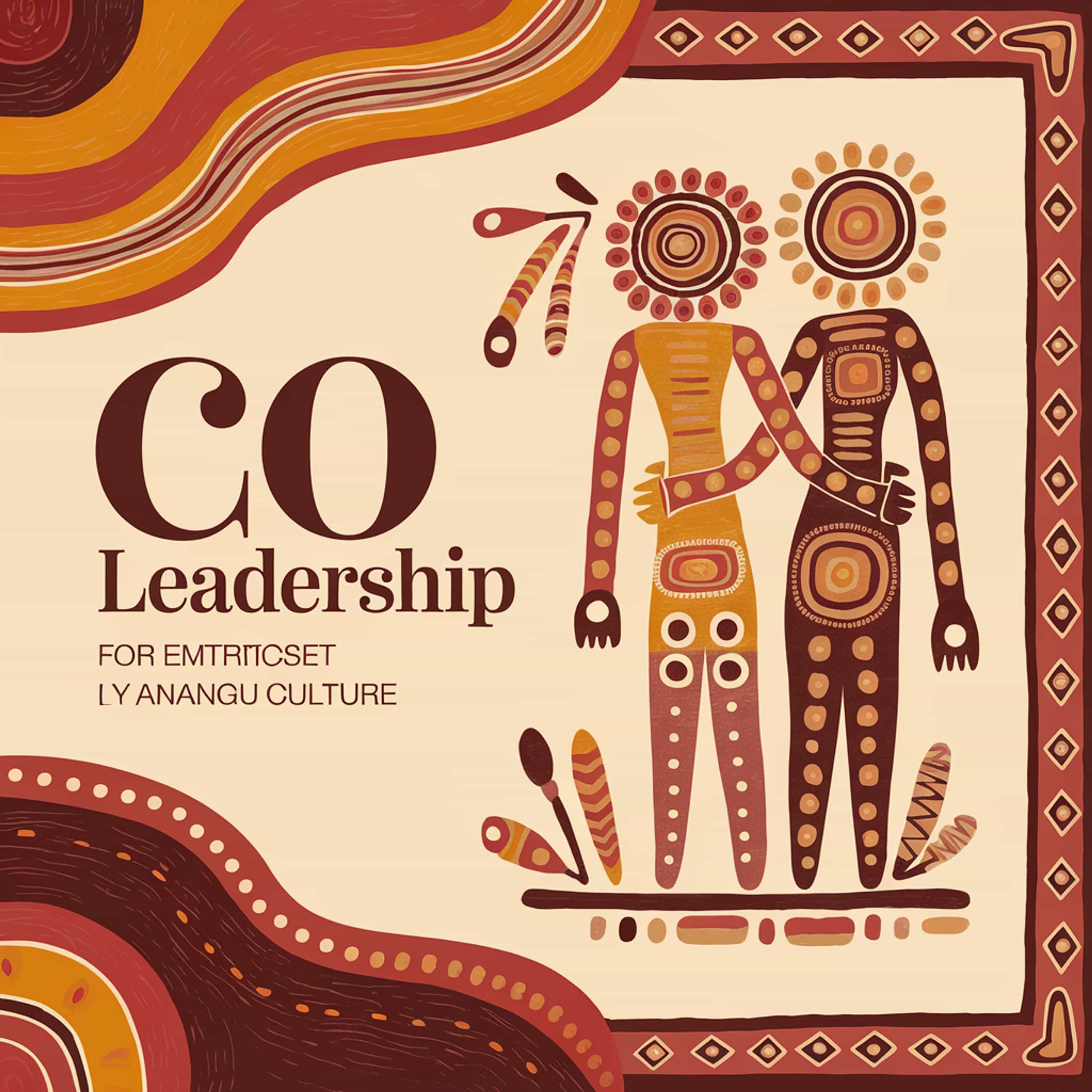
Language Leaders: Keeping Indigenous Voices Strong
Explore the vital role of language and culture in educational success. Join Evelyn Carter and Liam Warragul as they discuss leadership efforts to sustain Indigenous languages and their impact on community well-being.
This show was created with Jellypod, the AI Podcast Studio. Create your own podcast with Jellypod today.
Get StartedIs this your podcast and want to remove this banner? Click here.
Chapter 1
Recap previous episodes
Evelyn Carter
So, before we dive into today’s topic, let’s take a quick step back—because we’ve covered a lot about Indigenous language education so far.
Liam Warragul
Right. We’ve talked about how Anangu languages aren’t just a way of speaking but are, in a sense, lifelines to culture, history, and identity. Preserving them is about more than the words; it’s about keeping the culture alive and strong.
Evelyn Carter
And I remember we highlighted, uh, that story from a remote School’s bilingual program—how students who learn in both their native Pitjantjatjara and English actually see better overall academic results. Like, isn’t that wild? Same students, same teachers, but stronger outcomes just because the context of their learning feels more, I dunno, relevant to them? It’s really powerful.
Liam Warragul
It is. And it shows us that education isn’t one-size-fits-all. For Indigenous students, language builds that bridge between cultural heritage and modern academics. And let’s not forget the mental health benefits we discussed last time—
Evelyn Carter
Oh yeah, you mentioned how students learning their own language and culture helps them develop a strong sense of identity, pride, and belonging, which in turn supports mental health and resilience.
Liam Warragul
Exactly. It’s a powerful reminder of how language sustains us, not just as individuals but as communities. Knowing who you are, where you come from—that’s, uh, more than just nice-to-have; it’s essential.
Evelyn Carter
And I think we also touched on how bringing Indigenous languages—even in small ways—into early education benefits everyone. Like, it’s not only about Indigenous kids learning their First Nations languages. It’s about creating a classroom environment where all students learn to respect the beauty and breadth of the oldest cultures in the world. That kind of mutual understanding, Liam, has gotta be the foundation for inclusion, don’t you think?
Liam Warragul
Absolutely. And when we talked about incorporating acknowledgments of Country, storytelling, and bilingual books into schools, it wasn’t just about, you know, academic performance. It was about fostering a sense of belonging. When students hear their language—whether it’s once a week or every day—it tells them, hey, this world sees you. And that changes everything.
Evelyn Carter
It really does. Oh, and let’s not forget the importance of transmission—because when community elders pass down traditional knowledge through language, it’s more than storytelling. It’s like you’re literally hearing centuries of wisdom come to life. We dove into that pretty deeply too.
Liam Warragul
Right. And keeping that transmission alive—not just in, uh, cultural spaces but in everyday education—is one of the biggest challenges we’ve discussed. But it’s also where schools and communities can really work together.
Evelyn Carter
And the best part is, it benefits everyone. Non-Indigenous students get to grow up with a greater understanding of Australia’s heritage. And Indigenous students? They can see their culture right there in the curriculum—it’s not something tucked away in the past. It’s alive.
Liam Warragul
Exactly. And that’s why today’s focus on the link between language and cultural identity is so important...
Evelyn Carter
And it’s something the P.Y.E.C. — really champions. They strongly support the idea that students should be taught first in their own language. That way, they build deep understanding and confidence before transitioning into English.
Liam Warragul
Yeah, and that’s not just a philosophy — it’s a priority in their strategic plan. It’s about making sure kids get quality teaching in both Pitjantjatjara or Yankunytjatjara and English. Not either/or. Both.
Evelyn Carter
And crucially, Anangu educators are central to that delivery. They’re not just supporting the work — they’re leading it. That makes a massive difference, both in the classroom and in how the community connects to the school.
Liam Warragul
Absolutely. Remember that story you shared last episode — the Adelaide primary school with the First Language program?
Evelyn Carter
Yeah! That one really stuck with me. Families said it didn’t just connect kids more deeply to their culture — it changed the whole atmosphere of the school. There was this ripple effect. More pride. More engagement. More community presence.
Liam Warragul
That’s the power of visible, respected bilingual learning. It’s not just about teaching — it’s about belonging. And P.Y.E.C. is right there, backing that approach all the way.
Chapter 2
The Power of Language in Cultural Identity
Evelyn Carter
And speaking of how language keeps culture alive, it’s not just about speaking words—it’s about everything those words hold. I remember visiting a primary school in Adelaide last year. They had this incredible Pitjantjatjara language program, and parts of it were even led by the students themselves. Parents were talking about how it didn’t just connect kids to their roots more deeply—it was transforming the whole community. Like, you could see this ripple effect of pride and connection everywhere.
Liam Warragul
That’s beautiful. And it really underscores how language isn’t just a tool for communication. It’s, like, the most intimate marker of identity. You’re not only saying words; you’re expressing culture, history, a way of seeing the world.
Evelyn Carter
Oh, totally! And here’s the thing—the school leader? She was saying parents started coming more to events because it gave them a space where their culture was celebrated, valid. It, uh, reminded me how language ties directly into well-being, you know?
Liam Warragul
Absolutely. There’s strong evidence showing that communities actively using traditional languages tend to have better mental health outcomes. Even rates of youth suicide drop. It’s, uh, like the language becomes a safety net. When people know their history and identity are valued—it’s grounding. It creates this, um, sense of place in the world. A reason to belong.
Evelyn Carter
And it’s not just survival, it’s thriving. The way learning language helped the kids in Adelaide connect not just to their elders but also to their schoolwork. Like, it’s not a stretch to say—it made them feel visible. Seen.
Liam Warragul
And that visibility translates to continuity. When children learn their language, it’s not just about them understanding the words they’re saying now—it’s about preserving that knowledge for future generations. And not just stories or songs, but the worldview these languages represent.
Evelyn Carter
Yeah, that worldview is, uh, priceless. It’s like, when an elder speaks and uses their traditional language, that’s centuries of wisdom in, like, one sentence. Think about that—millennia of context packed into language. It’s incredible.
Liam Warragul
It really is. And it’s why this preservation has to be deliberate. Language preservation projects, like the one you mentioned, they don’t just benefit the communities directly involved. They remind all of us—Indigenous or not—of what we stand to lose when we don’t protect vulnerable languages.
Evelyn Carter
Exactly. And, y’know, that protection starts with acknowledging, like, how fragile—but also how enduring—a language can be when it’s nurtured.
Liam Warragul
Which brings us to the role of leaders in this work, whether they’re in school communities or broader institutions...
Chapter 3
Leadership in Language Preservation
Evelyn Carter
Liam, as we were saying about leaders in this work, it’s got me thinking—who are the people championing these efforts to keep languages alive? Like, who’s really driving this preservation forward?
Liam Warragul
That’s such a, uh, crucial question. Leadership plays a massive role here, Evelyn. And it’s not just about school principals and Anangu co-ordinators, it’s also elders, teachers, even young people stepping up in their communities. Leadership comes in many forms, yeah?
Evelyn Carter
Absolutely. Like, okay—there’s this principal I met at a conference. She’s in this school where the majority of kids speak Pitjantjatjara as their first language. And she and her team made this amazing program where AEs and classroom teachers co-teach. The AEs bring in cultural knowledge while the teachers work on literacy techniques. The kids get the best of both worlds. I mean, isn’t that brilliant?
Liam Warragul
It really is. And it comes down to collaboration. See, the most important thing for educators, both Anangu and Pirampa, is for them to understand that they work together as co-educators. They weren’t there to 'present' or 'demonstrate.' They are both teaching, side by side. And when that happens, it’s not just about passing down knowledge—it’s about showing students the value of their culture in real time.
Evelyn Carter
Right! It’s like the classroom becomes a place where their identity is celebrated, not a burden. And I think—wouldn’t you agree—that’s what leadership in language preservation has to do? It’s gotta invite everyone to the table, not just expect one group to carry the load.
Liam Warragul
The classroom becomes a place where their identity is celebrated, wow! So leaders also need to advocate for resources. It’s one thing to value language preservation in theory, but it takes funding, training, and maybe even some policy changes to make it happen in practice. It’s a reminder that leadership isn’t just about vision—it’s about persistence.
Evelyn Carter
Persistence, yeah! And creativity too. That principal I mentioned? She said they didn’t have enough books in Pitjantjatjara for their bilingual program, so they worked with the students to create their own. And y’know those kids? They were so proud. It wasn’t just schoolwork anymore—it was their story, their language, their contribution to keeping it alive.
Liam Warragul
That’s incredible. And it shows how leaders cultivate a sense of ownership. When kids see their language being valued like that, it’s not just about academics anymore—it’s about pride. It’s saying, “Your language deserves this effort, and so do you.” That’s a powerful message for any student.
Evelyn Carter
So powerful. And you know, I think we forget sometimes—leadership isn’t always loud or flashy. Some of the best leaders in this space are the quiet ones, working behind the scenes while supporting everyone else to shine. That’s where the magic really happens.
Liam Warragul
You’re absolutely right. Whether it’s a principal designing programs, a teacher championing culture in lesson plans, or an elder sharing their knowledge, leadership in language preservation takes all forms. And every role matters. It’s why this work needs to be collaborative, community-driven, and, most of all, culturally grounded.
Evelyn Carter
Couldn’t agree more. And honestly, something you said earlier really stuck with me—how leadership reminds us what’s at stake. Preserving Pitjantjatjara and Yankunytjatjara languages, or, uh, any language, doesn’t just keep words alive. It protects identity. It safeguards belonging. And that just feels—
Liam Warragul
Essential. It really is. Which brings us right back to the connection between language, identity, and educational outcomes...
Chapter 4
Educational Success Through Language Integration
Evelyn Carter
Exactly, Liam, and it’s that connection between language, identity, and educational outcomes that I find so compelling. For Anangu students, for instance, it’s not just about acquiring knowledge—it’s about fostering a sense of belonging through their language. Don’t you think?
Liam Warragul
Absolutely. And when you look at the numbers, there’s a pretty clear link. Schools that integrate Indigenous languages—whether that’s through bilingual books, songs, or even something like on country learning —they see improvement not just in, uh, literacy and numeracy, but also in that sense of self.
Evelyn Carter
Yeah, ‘cause it’s more than just academics. It’s like these kids are being told, “Hey, you belong here. Your story matters.” And that kind of messaging? Oh, it’s golden.
Liam Warragul
Exactly. I mean, the benefits go way beyond the classroom too. There’s this one student whose story just sticks with me. He was struggling in pretty much everything—didn’t wanna come to school, didn’t interact much. Then, one day, his teachers started using Pitjantjatjara in every lesson. Just small steps—like translating basic instructions or using songs his grandparents taught him. And slowly, things changed.
Evelyn Carter
Wait, so it was like a language switch flipped something for him?
Liam Warragul
Yeah, it’s, it’s wild. He started coming to school more, opening up in class, and even helping his classmates by sharing stories his family had passed down. It’s almost like his confidence was tied to his language. And once that connection was recognized, everything else—his reading, writing, even maths —started improving too.
Evelyn Carter
Wow, Liam. That’s—that’s incredible. It’s like, how can anyone deny the power of language after hearing that?
Liam Warragul
And this isn’t an isolated case. It’s a pattern, Evelyn. Across different schools, when Indigenous languages are welcomed into classrooms, students feel seen. Their heritage, their identity—it’s validated. And that validation? It’s a game-changer. Students start believing in themselves because the system starts believing in them first.
Evelyn Carter
Oh, absolutely. And it’s not like it’s this impossible thing to do. Imagine more schools using activities like storytelling or even having bilingual songbooks as part of their class routines. It’s simple, but it creates this whole world where culture and education can coexist beautifully.
Liam Warragul
Exactly. And honestly, it’s a ripple effect. When schools show that Indigenous languages have a place in education, it doesn’t just benefit the kids who speak those languages at home. It benefits non-Indigenous students too. They grow up understanding the depth and beauty of cultures that make up Australia. You can’t put a price on that kind of understanding.
Evelyn Carter
And more than that—it builds a future where inclusion isn’t this buzzword, but a reality. Because when kids grow up with that appreciation, they carry it with them, y’know?
Liam Warragul
Exactly. And these programs—these small steps toward integrating language—they’re not just strategies. They’re investments in belonging, resilience, and, ultimately, success...
Chapter 5
Key take-aways and questions to guide leadership discussion
Evelyn Carter
It’s true, Liam, just as you said—integrating language into classrooms is so much more than a teaching strategy. It’s an investment in belonging, in resilience, and honestly, in helping students see the value in themselves and others. And when we look at that ripple effect—you know, the one where both Indigenous and non-Indigenous students grow together—it’s like, how can we afford not to keep pushing forward?
Liam Warragul
Exactly. And we’ve seen that in schools integrating these languages into classrooms, it’s not just the academic gains that stand out. It’s also that sense of belonging—the way students see themselves reflected in what they’re learning.
Evelyn Carter
Yeah, language transformed not just learning, but confidence, engagement, everything. And, really, it makes you ask—what should schools be prioritizing to foster that kind of connection?
Liam Warragul
That’s a big question. And maybe it starts with leaders asking themselves: Do our teaching strategies embrace the cultural identities of our students? And if not, how could they?
Evelyn Carter
Ooh, that’s a good one, Liam. And I’d add, what specific steps can we take to weave culture into the everyday classroom—not just occasionally, but consistently?
Liam Warragul
Exactly. It’s about creating environments where students thrive because who they are is central to how they learn. And for leaders, it means thinking deeply about teaching and learning practices that truly reflect their communities.
Evelyn Carter
Totally. And it’s a challenge, right? Like, how do we shape our schools to not just teach culture but live it? That’s the real work. And it’s not easy. But, Liam, I think when schools get it right, the impact, oh, it’s—it’s transformative.
Liam Warragul
Completely. It’s why co-leadership between schools and communities is so vital—and it ties into our next topic...
Chapter 6
Teachers and Anangu Educators working together
Evelyn Carter
Liam, at the end of the last segment, you brought up co-leadership, and honestly, that’s such a key piece of this conversation, right? It’s not just about acknowledging the importance of schools and communities working together—but also about what that actually looks like in practice. And this next part, for me, really captures that. Co-planning, co-teaching—seeing teachers and Anangu educators collaborating side by side—it’s where the real magic happens.
Liam Warragul
Yeah, it’s an incredible model. When you have non-Anangu teachers and Anangu educators working together, there’s this mutual exchange of knowledge. Teachers bring their expertise in pedagogy, while A.E.s bring cultural knowledge that, frankly, is invaluable. They complete each other’s teaching in a way that textbook strategies never could.
Evelyn Carter
Totally! And honestly, I think it shows students that learning is collaborative. And it’s such a nice parallel because the adults and the kids are kind of learning together, y’know?
Liam Warragul
Exactly. And I’ve seen this play out in amazing ways. When educators work this closely, it also sends a message to the community—that their knowledge and perspective are essential, not just secondary. It's all about respect and Tjungu.
Evelyn Carter
Oh, and speaking of reciprocity—there’s this teacher I met in Ernabella who talks about how their planning sessions would always start with a story from the AEs. It wasn’t just cultural context—it actually shaped the lesson plans. Like, they’d begin with a story and build the entire curriculum around it. Isn’t that just beautiful?
Liam Warragul
It really is. It’s that approach where, instead of just adding culture on as an afterthought, it becomes the foundation. And for students, seeing the adults working together like this—each bringing what they know to create something better—it’s transformative. It shows them the power of collaboration in action.
Evelyn Carter
And I love, Liam, that this kind of partnership makes learning feel less rigid, less about 'teaching to the test.' It's more alive, more rooted in stories, and, honestly, more meaningful. You’ve said before, it’s about seeing the curriculum as a place where both worlds can meet.
Liam Warragul
Exactly. And you know—for this to work, it’s not enough to just pair educators together and hope for the best. It takes intention. Like, time built in for co-planning. Professional development that empowers both sides. And leaders who see the potential in these partnerships and fight to make them happen.
Evelyn Carter
Yes! Because when programs like these succeed, it’s often because someone behind the scenes believed in that collaboration and nurtured it. And to me, that’s ultimately what this all comes down to—believing in the power of working together.
Liam Warragul
And not just working side-by-side but learning together too. That’s what makes it so powerful. Teachers learn as much from AEs as students do, and vice versa. It’s about building bridges, staying curious, and growing together.
Evelyn Carter
Which, honestly, Liam, feels like the perfect place to wrap up. Collaboration, continuity, and respect—they’re the heartbeat of language and education. And if we foster that, oh, the potential is endless.
Liam Warragul
Couldn’t agree more, Evelyn. It’s been such an amazing journey exploring all these ideas with you. And for our listeners, we hope you’re walking away with some inspiration, too.
Evelyn Carter
Absolutely. We’d love to hear your thoughts—because these conversations are just the beginning. So, on that note, let’s keep the dialogue going.
Liam Warragul
And thanks for joining us. Take care, and we’ll catch you next time.