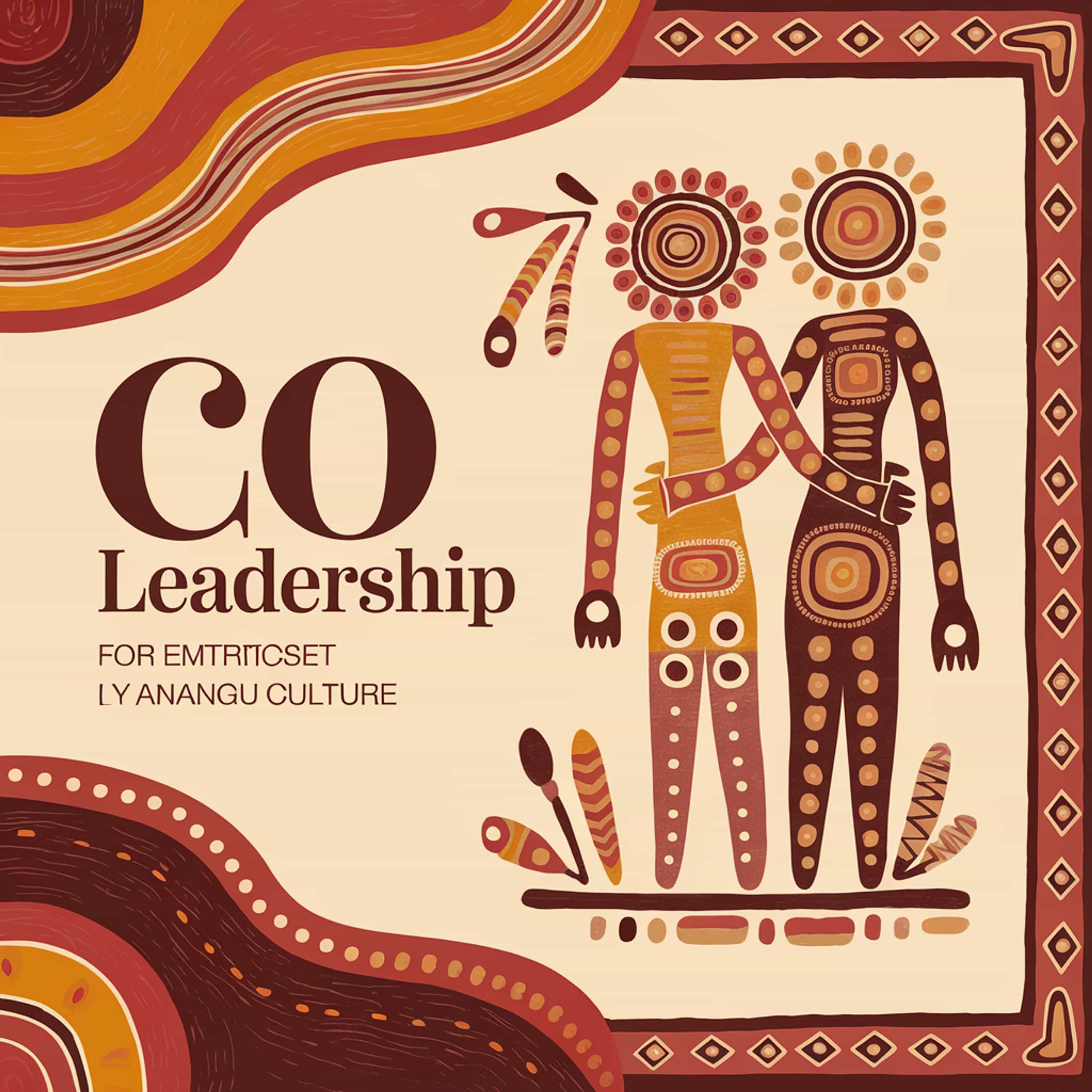
Two-Ways Leadership: Building Trust and Shared Authority
Explore the dynamics of shared leadership between school principals and Anangu coordinators, focusing on trust-building and joint decision-making. This episode features real-world examples of co-leadership in educational settings, demonstrating the impact of culturally responsive practices in fostering sustainable school development.
This show was created with Jellypod, the AI Podcast Studio. Create your own podcast with Jellypod today.
Get StartedIs this your podcast and want to remove this banner? Click here.
Chapter 1
Thanks for joining
Evelyn Carter
So, last time we were here, we really got into what makes leadership in schools stronger, right?
Liam Warragul
Yeah, we talked about how it's not just one person's job - leadership is, you know, a kind of shared responsibility between the principal and the Anangu coordinator.
Evelyn Carter
Mhm, and how when those two roles come together, the result can be transformational for the whole school community. Like, way more impactful than either one working alone.
Liam Warragul
Yeah, because let's be honest, leadership in isolation just doesn't work anymore. It's about creating a partnership, one that's grounded in mutual respect and trust. And trust – that's absolutely key here.
Evelyn Carter
Right. And we’re not talking about the kind of trust that just shows up overnight.
Liam Warragul
No, definitely not. It’s the kind of trust that takes time to build. The kind that's earned through consistent communication and standing by shared decisions, even when things get tough.
Evelyn Carter
I remember you saying trust is like the foundation of a house. It’s gotta be strong enough to hold everything else up.
Liam Warragul
Exactly. Without trust, you can't have an authentic partnership. And without that partnership, it's hard – almost impossible, really – to lead effectively in any school setting, but particularly in challenging and complex school communities.
Evelyn Carter
So if you're listening and you're thinking, "What do I focus on first?" It's trust. Always trust.
Liam Warragul
Couldn’t have said it better myself.
Evelyn Carter
Of course you couldn’t.
Liam Warragul
Alright, alright. The point here is, both the principal and the Anangu coordinator need to see each other as equals in the partnership, with a shared responsibility to their staff, students and community. They don't just work side by side; they lead side by side.
Evelyn Carter
And like any good partnership, respect and accountability have gotta flow in both directions. No one’s holding all the power, or all the answers, on their own.
Liam Warragul
And when that respect's there? It sets the tone for everyone else. Staff, students, parents – they all see what effective collaboration looks like.
Evelyn Carter
Which makes it not just about two people in a leadership role, but about inspiring a whole community. I love that.
Chapter 2
Building a Foundation of Trust
Evelyn Carter
Trust really sets the stage for everything, doesn’t it? When it’s there, it’s like the whole dynamic of the site shifts – there’s this sense of possibility that wasn’t there before.
Liam Warragul
Absolutely. And in the context of principals and Anangu coordinators, that trust is crucial. You can’t co-lead effectively if you’re, you know, questioning each other's intentions or priorities all the time.
Evelyn Carter
Right, and it’s something that grows through consistent communication. Like, showing up day after day, even when the work and the conversations are... challenging, maybe?
Liam Warragul
Very true. And challenging conversations can actually build trust—if they're handled the right way. It’s about being open, transparent, and—here’s the big one—actually taking the time and listening with the intention to understand the other's perspective.
Evelyn Carter
Oh, listening is everything. There’s this quote I love about leadership and trust. It says something like, "Trust arrives on foot but leaves on horseback."
Liam Warragul
Yeah, that’s a good one. It really sticks with you because it’s so true. Building trust is slow and deliberate, but without care, you can lose it in an instant.
Evelyn Carter
And part of that building process? It’s cultural awareness. Like, really understanding where the other person’s coming from—literally and figuratively.
Liam Warragul
Couldn’t agree more. Cultural awareness is... well, it’s the foundation for mutual respect, especially in Anangu schools. It's about understanding practices, values, and how those influence communication and decision-making.
Evelyn Carter
It reminds me of an experience I had when I was back in Adelaide. So, we had this cultural exchange program where we worked with local Indigenous leaders to learn their ways of storytelling. And I’ll admit, at first I—I thought I was there to teach. But oh boy, was I wrong.
Liam Warragul
I love where this is going. What happened?
Evelyn Carter
Well, they showed us how they share stories to pass down wisdom, and it completely flipped the dynamic for me. It wasn’t just about me teaching them—it was about me learning, understanding, and then creating something together that respected their narrative and mine.
Liam Warragul
And I bet that stuck with you, didn’t it?
Evelyn Carter
Oh, absolutely. It taught me that leadership isn’t about showing up with all the answers. Sometimes, it’s about saying, “Teach me,” and letting collaboration grow from there.
Liam Warragul
Which brings us back to these principals and Anangu coordinator partnerships. Culturally aware leaders really value and foster trust by really hearing each other out and, you know, meeting each other where they are. They take the time to listen deeply and allow the time for Anangu to feel confident to engage in the conversation.
Evelyn Carter
Yeah, and when you’ve got that trust, it’s like the whole community starts to see it, feel it. It’s not just leadership anymore—it’s a shared movement.
Chapter 3
Joint Decision-Making and Co-Leadership
Evelyn Carter
And that shared movement we were talking about—it’s so much like co-leadership, isn’t it? To me, it feels like this ongoing dance, where the goal is to move in sync, not step on each other’s toes.
Liam Warragul
That's a great way to put it. And a big part of moving in sync is making joint decisions. It’s not, "Well, I’ll decide this and you’ll decide that," but, "Let’s decide together to make sure it fits for everyone."
Evelyn Carter
Exactly. And those joint decisions aren’t always easy. There’s a lot of give and take. It's really about ensuring there’s equal weight to both voices in the room.
Evelyn Carter
So co-leadership is about both principal and Anangu co-ordinator collaboratively engaging in the process and a decision isn't reached until both parties are on the same page.
Liam Warragul
Right. And when it’s done well, it’s amazing. I’ve seen this work firsthand a few years back now. We had this community project that completely relied on co-leadership.
Evelyn Carter
Oh, I’ve gotta hear about this.
Liam Warragul
Okay, so, the principal and coordinator were working with the local community to design a new wellbeing program. The coordinator brought in community elders to share what they wanted for their kids—what would help keep the culture alive while still supporting modern learning goals. The principal, in turn, worked with the staff to align those ideas with the curriculum frameworks.
Evelyn Carter
Wow, so it was truly a team effort. How’d that play out?
Liam Warragul
Well, it was all about back-and-forth conversations. Like, the community wanted traditional storytelling to be a part of the program. But instead of just adopting it as is, the principal suggested ways to incorporate those cultural stories into the broader curriculum to support student wellbeing FOR learning. It wasn’t compromise so much as synergy—combining strengths to create something even better.
Evelyn Carter
I love that. It’s—it’s not about watering down anyone’s ideas, but finding a way to make sure everyone’s voice is heard and valued and about keeping the focus on the needs of the students and their learning.
Liam Warragul
That's brilliant because in the end, isn't that what we are all here for... the kids!
Liam Warragul
Absolutely. And that’s what true co-leadership looks like. It’s that shared process of carving a path forward together, where decisions reflect both traditional wisdom and modern frameworks.
Evelyn Carter
And when they see a united front like that – from their leaders – you just know the rest of the community feels empowered to rally around it.
Chapter 4
Practical Insights into Shared Leadership
Evelyn Carter
That's such a powerful example, Liam. It really shows what’s possible with co-leadership done right. Thinking about the wisdom you’ve seen brought to the table in communities like that, what’s another standout moment of shared leadership for you?
Liam Warragul
Oh, there’s one initiative that immediately comes to mind. It was part of the Learn and Thrive program. I worked with a school leadership team where the principal and Anangu coordinator decided to do joint professional development sessions—not just for themselves, but for the entire staff.
Evelyn Carter
Wait, the whole staff? That’s huge.
Liam Warragul
Yeah, it was. The idea was that if leadership is shared at the top, it needs to filter through to the whole team. So, they arranged workshops where everyone—from teachers to admin staff—explored cultural competency and effective communication together. It made this massive impact.
Evelyn Carter
Okay, I’ve gotta ask. What was the vibe? Were people open to it, or did it take some convincing?
Liam Warragul
At first, there was a bit of hesitation. You know, people aren’t always sure what to expect from these kinds of sessions. But as soon as they saw the principal and Anangu coordinator actually leading the sessions together, showcasing what trust and respect look like, it flipped the switch. Staff could see this wasn’t just talk; it was modeled behavior.
Evelyn Carter
So, walking the walk instead of just talking the talk?
Liam Warragul
Exactly. And here’s where it got really interesting—the transparency in their communication. They didn’t shy away from discussing things that weren’t working. They openly shared challenges and invited feedback from the staff. It wasn’t about pretending everything was perfect; it was about solving problems together.
Evelyn Carter
I love that. There’s something so powerful about just saying, “Hey, we don’t have all the answers, but let’s figure it out as a team.”
Liam Warragul
Right? And it built this incredible sense of ownership across the school. By the end of the program, you could feel the shift—not just in how the team worked, but in how they engaged with students and the wider community.
Evelyn Carter
Okay, speaking of community, you mentioned something earlier about one school transforming its approach to community engagement. What happened there?
Liam Warragul
Oh, that’s a brilliant case study. So, this one school was having real issues with attendance. The principal and coordinator decided to hold a series of open forums with not just parents, but community elders too. They used these sessions to figure out what was stopping families from sending their kids to school.
Evelyn Carter
And what did they find out?
Liam Warragul
A lot actually. For one, there were cultural commitments, like ceremonies, that clashed with school schedules. But there was also this perception that the school wasn’t really listening to what the community valued in education.
Evelyn Carter
That’s tough. How did they tackle it?
Liam Warragul
Well, they didn’t just stop at listening. After gathering all the feedback, they worked collaboratively to make some changes. They adjusted the calendar to better align with cultural events and introduced more culturally relevant lessons, co-designed with elders. And the kicker? They kept those transparent communication lines open. Regular updates, follow-ups—it wasn’t just one-and-done.
Evelyn Carter
It sounds like they turned what could’ve been a barrier into a bridge. That’s so inspiring.
Liam Warragul
It really was. And the best part? The community felt genuinely heard. Attendance improved, but more than that, there was this renewed sense of pride and ownership in the school’s direction.
Evelyn Carter
Yeah, because it wasn’t just about top-down decisions anymore. It was a partnership, a shared journey.
Liam Warragul
It just goes to show—when leadership is shared, and communication is open and honest, the possibilities are endless.
Chapter 5
Connection with P.Y.E.C. and DfE strategies
Evelyn Carter
Speaking of shared leadership and collaboration, how do these principles align with the P.Y.E.C. and DfE improvement strategies we’ve been discussing? How do they influence the larger goals of those initiatives?
Liam Warragul
Oh, they connect on just about every level. Take P.Y.E.C., for example. At its core, the committee emphasizes education that aligns with Anangu culture and perspectives. Trust and shared leadership are really non-negotiable if we want that alignment to actually happen.
Evelyn Carter
Totally. You can’t have these culturally informed goals without co-leadership. I mean, it's—it’s not like one person can sit in a room and decide the best path forward for an entire community on their own.
Liam Warragul
Exactly! And the DfE’s strategies around school improvement? They talk about inclusive leadership, promoting partnerships, and equity. This kind of two-ways leadership we’ve been discussing—it’s the blueprint for all of that.
Evelyn Carter
Right. It’s equity in action. By creating solid partnerships between the principal and Anangu coordinator, you're literally embedding those principles into how the school functions every single day.
Liam Warragul
And when you think about it, these strategies aren’t just for the sake of checking boxes. They’re about making sure the education system works for everyone. Not one-size-fits-all, but let's figure out what works for our community, in our context, with our people.
Evelyn Carter
That’s such an important point. When school leadership embraces that mindset—when they adapt instead of forcing a model—it’s not just about compliance. It's about transformation. Real, meaningful change.
Liam Warragul
And that’s where this work truly shines. When you see both cultural knowledge and modern educational practices thriving side by side, it's powerful. Schools don’t just improve—they thrive as part of the community.
Evelyn Carter
So maybe the takeaway here is this: If we want to elevate education, especially in schools serving Anangu communities, then P.Y.E.C. and DfE strategies give us the “what,” but shared leadership gives us the “how.”
Liam Warragul
Couldn’t agree more. And it’s not just about principals and Anangu coordinators learning to co-lead. It’s about everyone—from educators to community members—embracing the concept of working together to realize a shared vision for education.
Evelyn Carter
I love that. Alright, listeners, we want to leave you this week with something to think about. What could shared leadership look like in your own school? What would it take to build and sustain trust to lead together?
Liam Warragul
Yeah, take a moment to reflect. And even better, start a conversation about it. You never know where just one idea might lead.
Evelyn Carter
Alright, on that note, we’ll wrap it up here. Thanks for joining us on this journey—it’s been such a joy to share these stories and ideas with you.
Liam Warragul
And we’re excited to hear your thoughts. Until next time, take care!