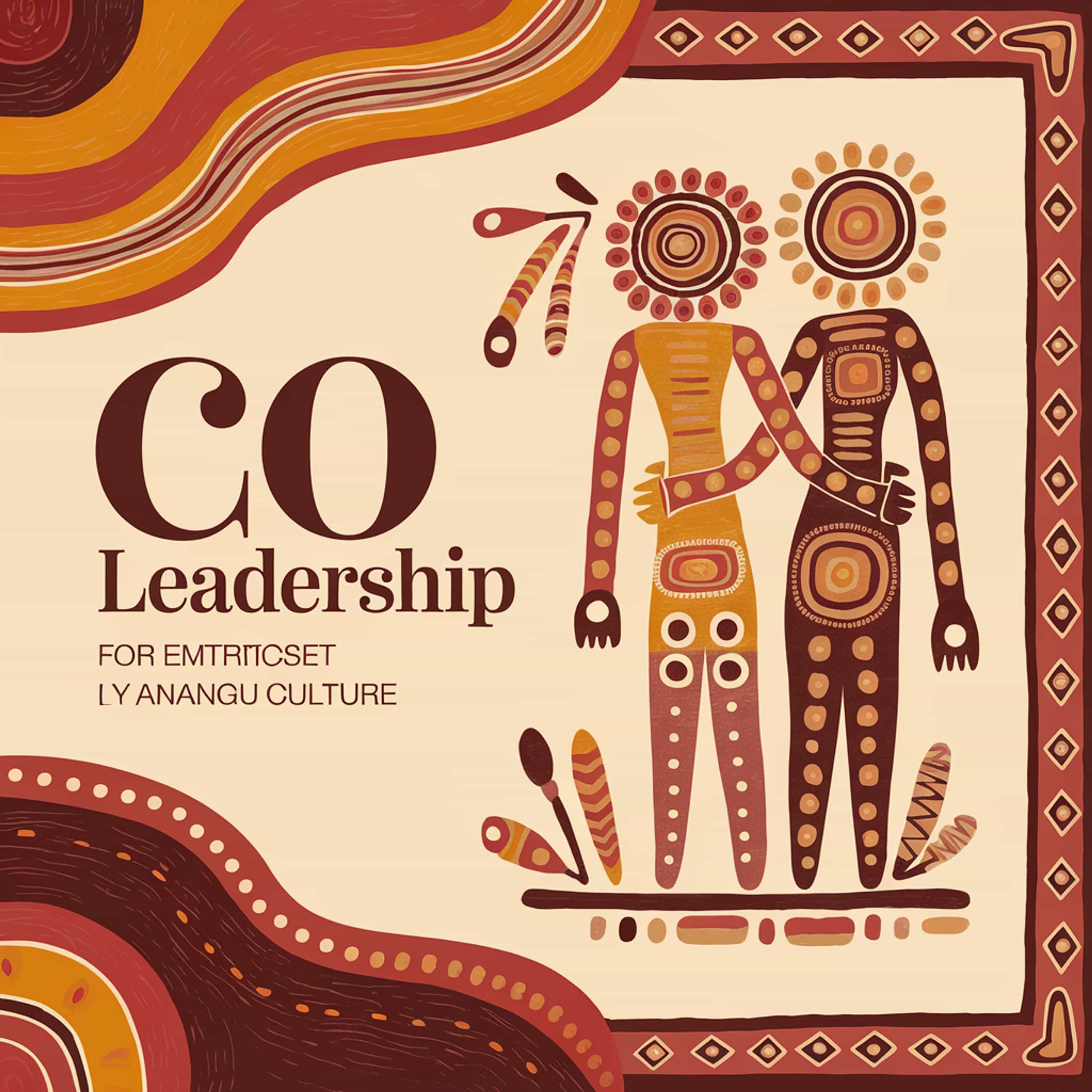
Episode 17: Engaging Families and Community
Strategies for engaging families and communities in Anangu schools, focusing on trust, cultural responsiveness, shared decision-making, and collaborative leadership between Anangu and Piranpa educators.
This show was created with Jellypod, the AI Podcast Studio. Create your own podcast with Jellypod today.
Get StartedIs this your podcast and want to remove this banner? Click here.
Chapter 1
Ernabella Dance
Evelyn Carter
So welcome back to Leading for Impact in Anangu Lands Schools. I’m Evelyn, and I’ve got Dan and Liam here with me. Now, if you’ve been following the last few episodes, you’ll know we’ve been diving pretty deep into wellbeing, student voice, and relational accountability. Today, we’re shifting the spotlight to something that brings the whole community together—like the Ernabella Sports and Dance Carnival. You both know what I’m talking about, right? These big events where the line between “school” and “community” sort of disappears for a while.
Dan Harrison
Yeah, absolutely, Evelyn. I gotta say, when I think about events like the Ernabella Dance, the energy in the community is just next level. It’s not just about kids rocking up for attendance or ticking a box for “engagement”—it’s about everyone getting involved. I remember the first time I experienced the whole Ernabella Dance night... just this big, joyful mess! And, look, you can see the pride on the kids’ faces when they get up for those cultural dances. It really sticks in your mind.
Liam Warragul
You’re spot on, Dan. And I think one of the things we sometimes underestimate is how much these events actually drive student attendance. Like, kids are keen to come to school when something meaningful is happening—when they know their family’s there, their mates are performing, and the community is backing them. It’s that old saying, you know, “it takes a village.” Suddenly, school isn’t this building you go to—it’s the heart of everything for a few days.
Evelyn Carter
And it’s such a great example too of co-leadership, isn’t it? I mean, as we discussed when we did that episode on relational accountability, you’ve got Anangu staff, Piranpa educators, parents, elders, sometimes even local service organisations—everyone co-hosting and planning these events together. That’s where all those strategies around partnership don’t just live on a piece of paper. They’re happening right there, in the middle of the action.
Dan Harrison
Yeah, and I want to shout out to the little things too—like the sports carnival with its javelin and high jump, but also the hip hop dancing, the Fregon Arts Festival and even the colour run just for a bit of fun. It’s actually the play and laughter that builds relationships. The students get to see their teachers in another light—sometimes quite literally covered in paint—which kind of flattens the hierarchy, if you know what I mean. Suddenly, you’re not “Mr Harrison” anymore, you’re just another person in the colour storm.
Liam Warragul
That’s a good point, Dan. And these events create real chances for informal conversations—like, you’re chatting to families on the sidelines, hearing what matters to them, what’s happening back home, stuff you probably wouldn’t get in a formal meeting. Those little moments—they actually matter for trust, don’t they?
Evelyn Carter
Absolutely. That’s what we mean when we talk about strengths-based engagement and recognising local knowledge. Sometimes it’s the aunties or grandfathers who bring a fresh perspective—all those little snippets you pick up just by being present. They’re not just supporting their own family’s kids—they’re supporting everyone’s kids. It’s collaborative problem-solving, in real time.
Dan Harrison
And you can’t overstate how important it is to have elders involved. Like, on that honey ant hunt—what an experience, right? Elders leading, kids learning how to care for Country, everyone sharing stories. That’s the kind of local expertise you literally can’t get from a textbook, and it’s so crucial for making the curriculum click for Anangu students. It connects school learning to community life, and gives it actual relevance.
Liam Warragul
And it works both ways, too. I mean, after a few events like this, families are way more likely to join in on classroom stuff, or chat about their ideas for teaching, or even help make decisions. When they see their language and culture being celebrated, it’s a signal that school’s a safe and respectful place for them. Like we talked about last time—it's got to go beyond the school gate.
Evelyn Carter
Yes, and it’s something leadership teams can keep reflecting on—like: are our events really accessible and inclusive for all families? Are we closing feedback loops and genuinely listening? What else can we do to make students the link between school and community, instead of a bridge to cross?
Dan Harrison
And maybe we shouldn’t shy away from asking families what works for them. Sometimes it’s just having a cuppa together during these carnivals, or letting students show off what they’re proud of—it’s not always the big performances that matter most, yeah?
Liam Warragul
Exactly, Dan. If everyone walks away feeling connected, proud, and supported, that’s a win. These events—when done well—they change the game for attendance, engagement, everything really. But it’s a long journey and we keep building on it, right?
Evelyn Carter
That’s the spirit, Liam. And look, that’s probably a good place for us to wrap up today. For everyone listening, maybe take some time to reflect on how you engage families and community in your own setting. What’s working? What could you try next? We’ll be back soon with more stories and strategies from the red dirt. Thanks, Dan. Thanks, Liam.
Dan Harrison
Thanks, Evelyn. Always a pleasure chatting with you both. See you next time!
Liam Warragul
No worries, catch you both later. Have a good one, everyone!